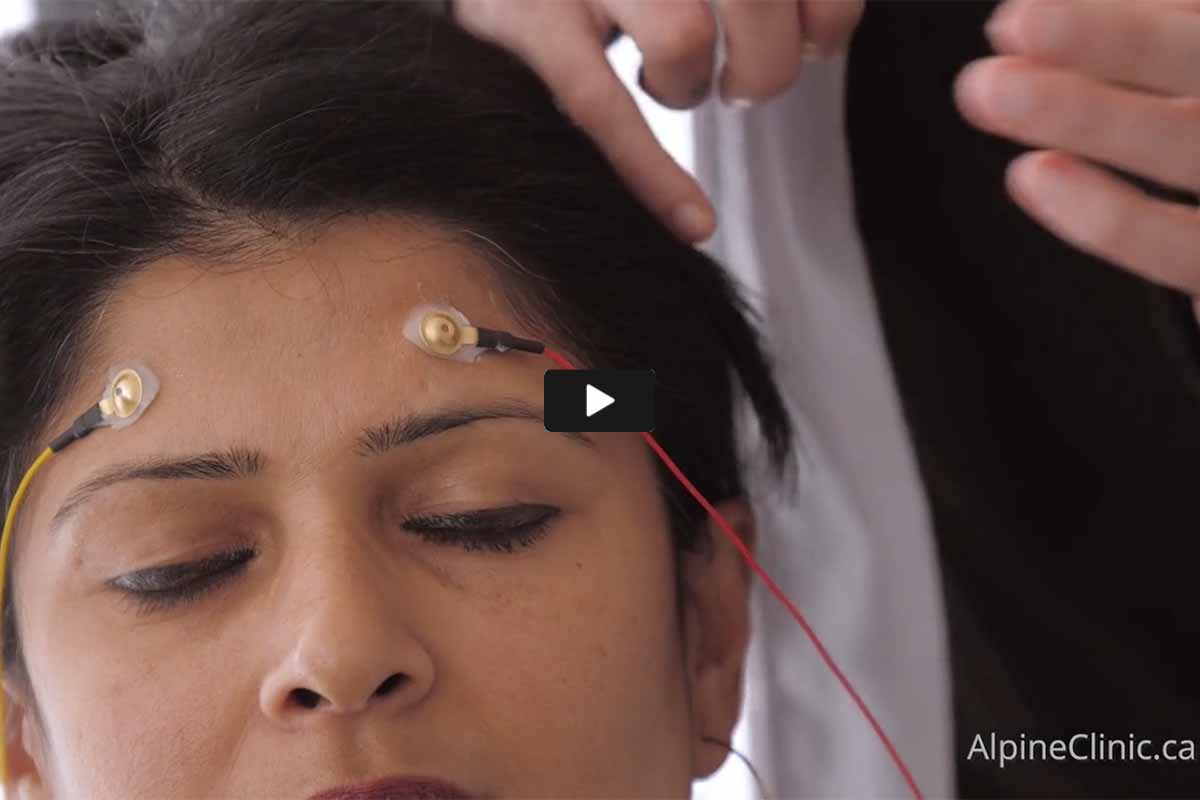
The therapeutic environment provides a safe and non-judgmental space for individuals to express themselves openly, fostering a trusting relationship between the client and the therapist.
Depression goes beyond the surface-level experience of feeling sad; it’s a multifaceted emotional state with widespread effects on energy levels, motivation, and overall well-being. Those grappling with depression often find it challenging to derive pleasure from activities they once enjoyed and may be burdened by a pervasive sense of hopelessness. In therapy, the focus is on delving into the underlying factors contributing to these emotions.
Therapists play a crucial role in helping individuals develop coping strategies to navigate the challenges associated with depression. These strategies may involve identifying and challenging negative thought patterns, learning relaxation techniques, and cultivating healthier ways to cope with stress. Setting realistic goals is another integral aspect of therapy, as depression often distorts perceptions, making even simple tasks appear overwhelming. By breaking down larger objectives into manageable steps, therapy aims to rebuild a sense of accomplishment, gradually restoring self-esteem and motivation.
Therapists work with individuals to explore and challenge distorted beliefs, fostering self-compassion and resilience. Through this process, individuals can gradually develop a more optimistic perspective and a greater sense of control over their lives. In essence, therapy for depression is a comprehensive approach addressing the emotional, cognitive, and behavioral dimensions of this complex condition, ultimately guiding individuals towards a path of healing and improved well-being.